What Is a Mortise Lock and Why Older Homes Rely on Them
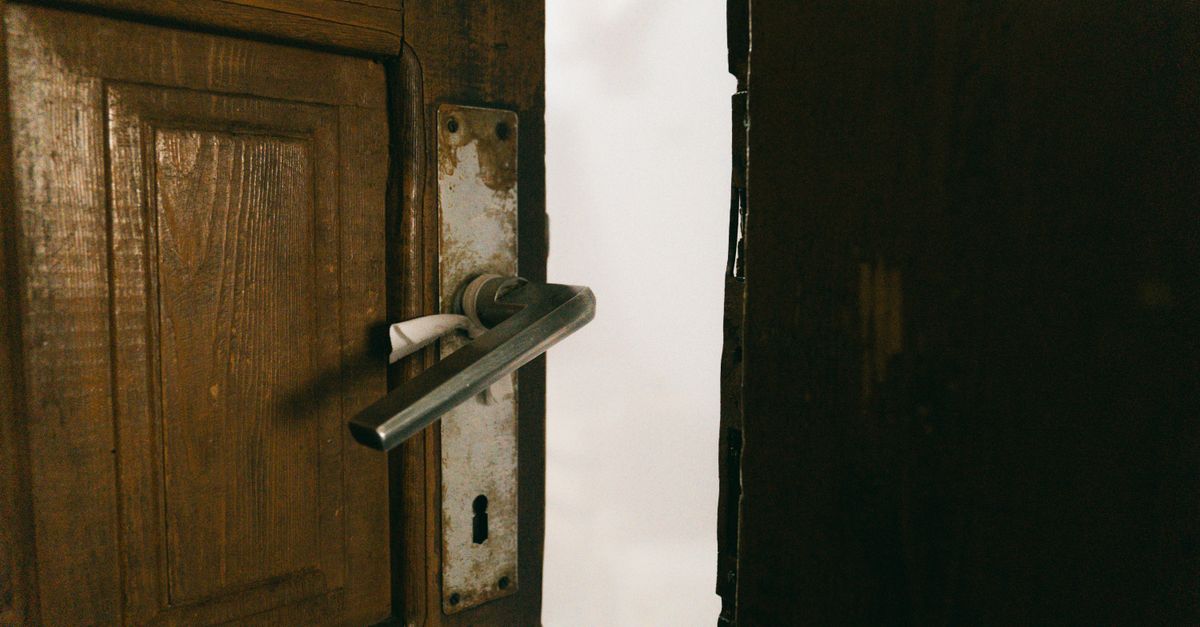
A mortise lock is a lock body that is recessed into a precisely cut pocket — the mortise — inside the door itself, rather than surface-mounted like a standard cylindrical knob lock. The result is a self-contained unit that houses the latch bolt, dead bolt, strike mechanism, and sometimes a privacy or indicator function all within a single steel or cast-iron case. Because the lock sits inside the door rather than on it, the door edge carries the load, making a properly installed mortise lock genuinely harder to kick or pry than most modern cylindrical alternatives. That is exactly why builders favored them from the late 1800s through roughly the 1960s, and why so many New Brunswick rental properties, brownstones, and older owner-occupied homes still have them in service today.
Where things get complicated is maintenance. A mortise lock set contains a surprising number of small moving parts — case springs, levers, cams, and follower pins — and most of them have not been serviced since the Eisenhower administration. Over time, the internal springs lose tension, the case fills with compacted dust and old lubricant, and the mortise cylinder itself can become so corroded that a key turn requires real force. What looks like a door alignment problem is often the lock itself telling you it needs professional attention.